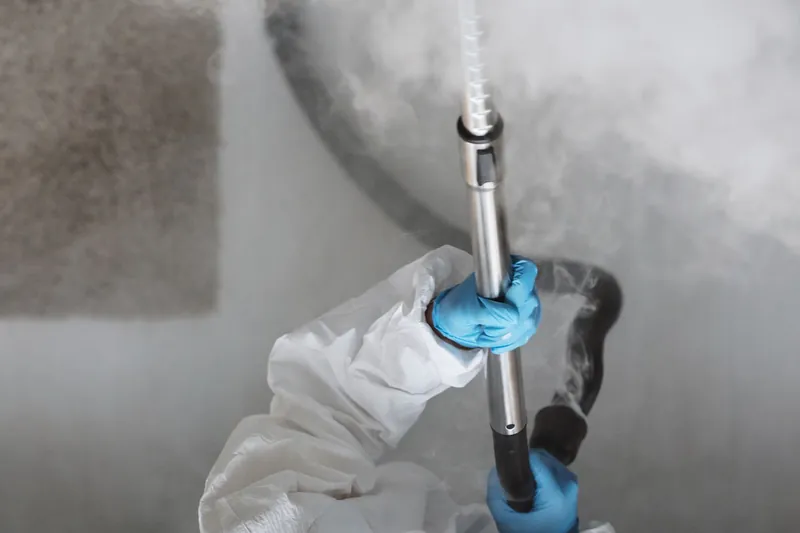
Infectious Disease Disinfection
All surfaces receive full coverage with EPA-registered products for infectious disease disinfection.
See infectious disease disinfectionGet MRSA, C. diff or norovirus contamination cleaned from a home, rental, gym, care setting or workplace in Park Place. The work can include containment, surface cleaning, target-specific disinfection and controlled waste packaging.
Cleanup for MRSA, C. diff and norovirus means targeted cleaning and disinfection when an exposure, illness or outbreak leaves contamination in a room, home, shared facility or vehicle.
Cleaning has to differ among these organisms. MRSA, a bacterium, can resist several antibiotics. Hardy spores can be formed by C. diff, which is also a bacterium. Contaminated food, hands, objects and bodily fluids can carry highly contagious norovirus. For the particular organism, follow what the product label requires for preparing surfaces, selecting disinfectant and allowing contact time.
First, the affected locations, frequently touched points and materials that could retain contamination are identified. Technicians then isolate the work area and put on protective gear. They clear visible soil, clean each surface and use an EPA-registered disinfectant as its label directs. Porous belongings also require attention. Contamination in unfinished wood, padding or fabric may remain beyond the reach of a brief surface spray.
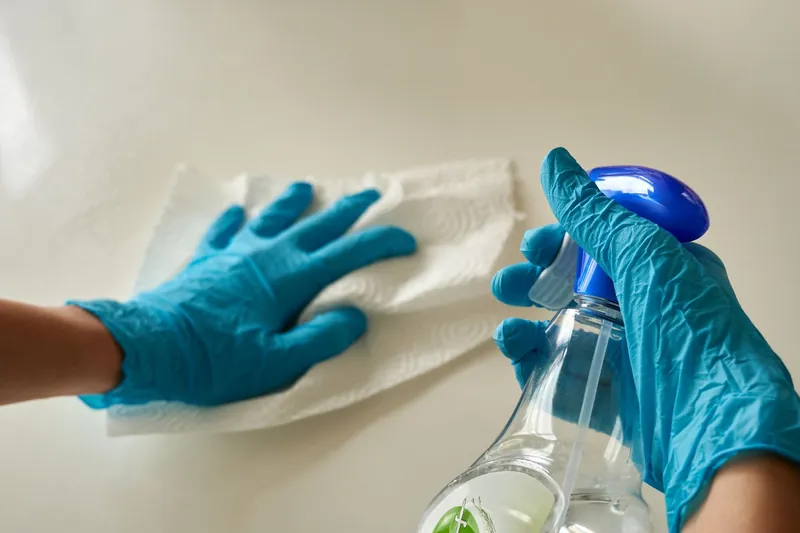
Calls are answered day and night, and crews arrive in unmarked vehicles. You may discuss a workplace, residence, rental or care facility without attracting unnecessary attention.
The evaluation considers material and contact for personal property, textiles and shared devices. You can discuss items that may need removal before they leave the work area.
You hear which rooms and surfaces are included, which items need separate treatment and which factors affect the cost before cleanup begins.
To help you move forward, cleanup photos, scope notes and disposal documentation can support conversations with a property owner, facility manager, infection-control leader or insurance company.
Consider a specialized cleaning service when the affected area goes beyond safe routine housekeeping or its surfaces are shared by several people. Common examples are:
Door hardware and communal exercise equipment, including mats, benches and lockers, receive careful attention. Cleanable areas are treated with controls that prevent soiled tools or cloths from moving into clean spaces.
Schools, offices, public areas and care settings can contain numerous high-touch surfaces. Dividing the site into affected and clean zones can help the plan reduce cross-contamination.
Illness can affect floors, bedding, bathrooms and surrounding touch points. Cleaning must remove soil before a disinfectant with an appropriate C. diff claim is applied for its full label time.
Property managers may need a documented cleaning process before a room returns to use. Bathrooms, linens, hard surfaces and housekeeping tools are considered together.
First, limit contact and maintain a clear border around every area that may be affected. The following actions can protect you and reduce the spread of contamination:
Call (888) 440-9227You will not find a published price for cleaning up after MRSA, C. diff or norovirus. General biohazard numbers give a rough frame, and Fixr reports $3,000 to $5,000 as the national norm. Smaller jobs begin near $1,500 and the largest reach $25,000 or more. Treat these as context. An assessment of your property sets the real price.
These ranges come from published national cost guides, not from a site visit. After an on-site assessment, the price for your property is determined and shared with you before cleanup begins.
Ask about cost: (888) 440-9227The cause, property category, insurance terms and relevant lease or facility agreement all affect payment. Start the insurance process by finding out what documentation the insurer wants.
Internal approvals and the infection-control plan should guide a care facility, workplace, gym or school. The insurance company, property owner and manager may establish who pays and approves the work.
Ask insurance companies what photographs, scope notes, item lists and disposal records they need. When there is no safety risk in waiting, retain property until instructions arrive and keep every communication.
Responsibility can depend on the cause, lease terms and local requirements. Tenants and property owners should document affected rooms and agree on access before contaminated items are moved.
When cleanup follows a covered event, some renters or homeowners policies may pay for professional cleanup. Tell the insurance company the circumstances, request details on infectious disease or biohazard cleanup and save the claim number.
A controlled process moves from initial assessment and containment into surface cleaning, disinfection and a concluding inspection. At every point, the work is adapted to the target organism, the location and surface involved, and all directions on chosen product labels.
Technicians examine shared gear and porous materials along with the rooms and touch points in the scope. Details about the organism of concern shape both product selection and cleanup order.
The work zone is separated from clean space. The plan limits entry, matches protective gear to the work and establishes a path for incoming tools and outgoing sealed waste.
Bagging may occur inside the work zone for disposable goods and porous items that cannot be cleaned throughout. Hazardous materials stay separate from reusable items that can follow a suitable cleaning or laundering path.
Organic material and soil you can see are cleared first. Once material left behind is removed, disinfectant can contact the surface without obstruction or reduced action.
Treatment uses an EPA-registered disinfectant with an organism-appropriate label claim on surfaces that can be cleaned. Wetness is maintained for all of the label's stated contact time.
Used linens, protective equipment, cleaning cloths, mop heads and other items are kept away from clean supplies. Every item follows a suitable laundering, cleaning or waste disposal process.
Inspection of the work area covers high-touch surfaces, hidden transitions and the edges of floors. The completed work is documented along with materials taken out or separated.
Your summary covers the areas treated and remaining steps for the facility. If contaminated building components had to be taken out, restoration services might be necessary. Precautions for people beyond the physical cleanup are set by medical, infection-control or public health guidance.
You can call anytime. A MRSA, C. diff and norovirus cleanup specialist answers, explains the steps and agrees a start time with you.
These infections can pose serious health risks and spread in different ways, so safe cleanup depends on the organism, the contaminated material and how people use the space.
Compared with many common germs, C. diff spores may resist inactivation more strongly. The surface needs visible soil removed and a disinfectant whose label claim fits the material and target organism.
Contamination can travel into surrounding areas on hands, laundry, cloths, mop heads and cleanup equipment. Separate supplies and an established work path help limit further movement of contamination.
Contact with a person or contaminated object can transmit MRSA. Give close cleaning attention to communal towels, exercise equipment, door hardware and additional high-touch points within the affected area.
Can you clean it yourself? If you suspect neither illness nor exposure, normal cleaning may be adequate for an area containing only everyday household dirt. Professional cleanup may be appropriate for suspected or confirmed infectious illness, bodily fluids in porous materials, multiple affected rooms or shared facilities, or any situation where clean and contaminated belongings cannot stay apart.
Reachable, compatible hard surfaces can usually be cleaned and disinfected. Porous items need individual assessment because contamination can settle below the surface.
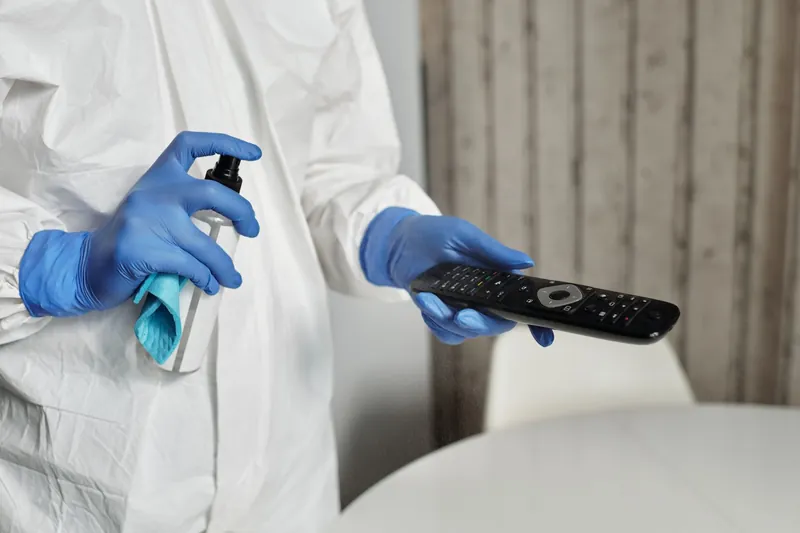
OSHA standard 29 CFR 1910.1030 applies when employees may have occupational exposure to blood or certain other potentially infectious materials. Exposure controls, employee training and protective equipment fall within its scope.
EPA registration is required, along with a label claim that fits the surface and organism being treated. Cleaning and the full label contact time are part of correct use.
Alabama treats soaked materials from a biohazard scene as medical waste when they are saturated to the point of dripping blood. The Alabama Department of Environmental Management's rules control packing, transport and treatment, so it cannot go in household trash.
Local health and building rules can affect how a contaminated room is cleaned and when it can be used again, so mention any notice you have received from the city or county.
The schedule is set after the affected rooms, surfaces and organism are assessed. A limited hard-surface area takes less work than several rooms with textiles, shared equipment or porous materials.
The full MRSA, C. diff and norovirus cleanup guide covers what is cleaned or removed, odor and air quality work, and the rules that apply in Mobile County.
Read the full MRSA, C. diff and norovirus cleanup guideContainment, entry and cleanup plans can be influenced by local housing, population and access details.
Mobile Infirmary Medical Center is about 0.6 miles from Park Place, which is useful to know when an exposure or injury needs medical attention.
Because Ashland Place, Carlen, and Allenville are nearby, parking and equipment staging are easiest to plan once the exact entrance is known.
A cleanup plan for this neighborhood should account for adjacent homes or units when setting odor control and containment boundaries.
Medical questions belong with a clinician, while surface disinfection follows label directions, including the required wet contact time.
You can ask about cleanup in nearby communities and ZIP codes during the call.
All surfaces receive full coverage with EPA-registered products for infectious disease disinfection.
See infectious disease disinfection
Following an outbreak, virus disinfection covers residential properties, offices and shared areas.
See COVID-19 and virus disinfection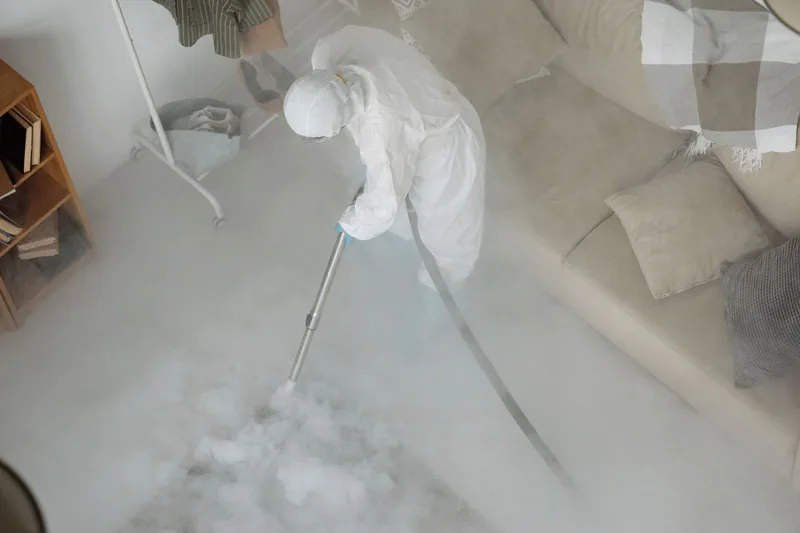
After exposure to infectious or hazardous material, the air, room and surfaces are fully decontaminated.
See biohazard decontamination
Any property receives disinfection after removal of infectious materials, including bodily fluids and blood.
See biohazard cleanup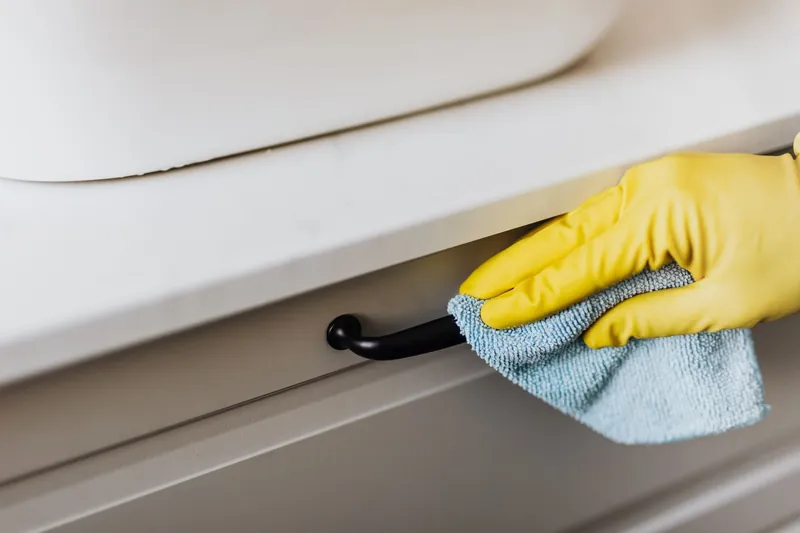
Homes, care environments and businesses receive bodily fluid cleanup and disinfection.
See bodily fluid cleanup
Human feces cleanup and disinfection in homes, rentals and public restrooms.
See human feces cleanup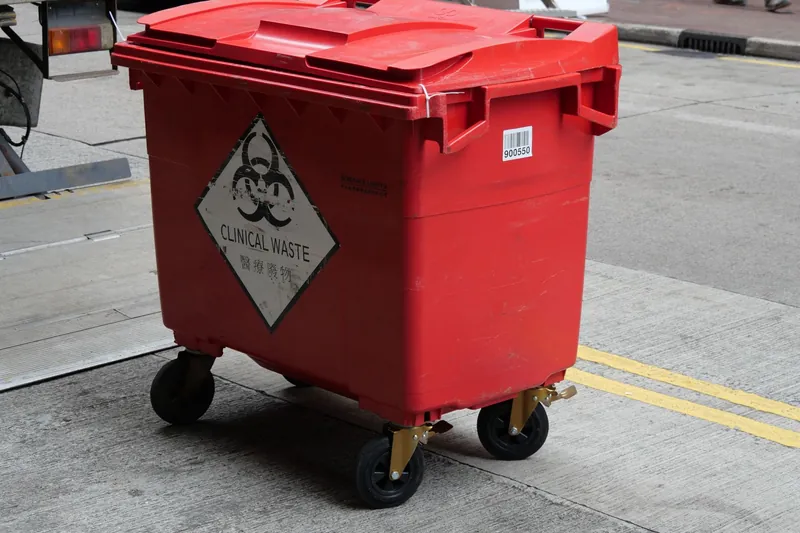
Medical waste removal and disposal through approved treatment facilities.
See medical waste removal
Site access and operating needs guide planning for commercial and industrial biohazard cleanup.
See commercial and industrial biohazard cleanupTreatment is usually possible for hard, cleanable surfaces if every affected side is accessible and the product is compatible. Each porous material, including unfinished wood, upholstery and carpet padding, must be assessed individually. Removal may be necessary if contamination entered layers that cannot be safely reached, cleaned and disinfected.
An appropriate disinfectant is registered with the EPA, and its label claim covers both the target organism and surface. The proper product may differ for norovirus, MRSA and C. diff spores. First clean the surface, then keep it wet throughout the label's required contact time.
Restrict entry to the affected area, and do not carry waste, laundry or cleanup equipment to other rooms. For people potentially exposed, observe the instructions of medical professionals, public health authorities or the facility. Avoid mixing any chemicals. When you call about cleanup, identify the suspected organism, rooms and materials involved.
Certain viruses, bacteria and contaminated bodily fluids are examples of biological materials that may harm health and are considered biological hazards. Keeping contamination away from clean rooms may require controlled treatment of impacted surfaces, porous belongings, used protective gear and cleanup waste during work involving C. diff, norovirus or MRSA.
Limiting entry, isolating the affected area and controlling tool movement help keep it apart from clean spaces. Used cloths, mop heads, laundry, protective equipment and waste stay apart from clean supplies. Surfaces are cleaned systematically, then the appropriate disinfectant remains in place for the complete contact time on its label.
A small household space might be manageable when you can use the disinfectant safely according to its label and follow public health instructions. Professional cleanup may be appropriate if bodily fluids entered porous material, multiple rooms are involved, vulnerable people use the space, or clean areas cannot be separated from used tools, laundry and waste.
You can request respectful, discreet MRSA, C. diff and norovirus cleanup 24 hours a day, and crews use unmarked vehicles.